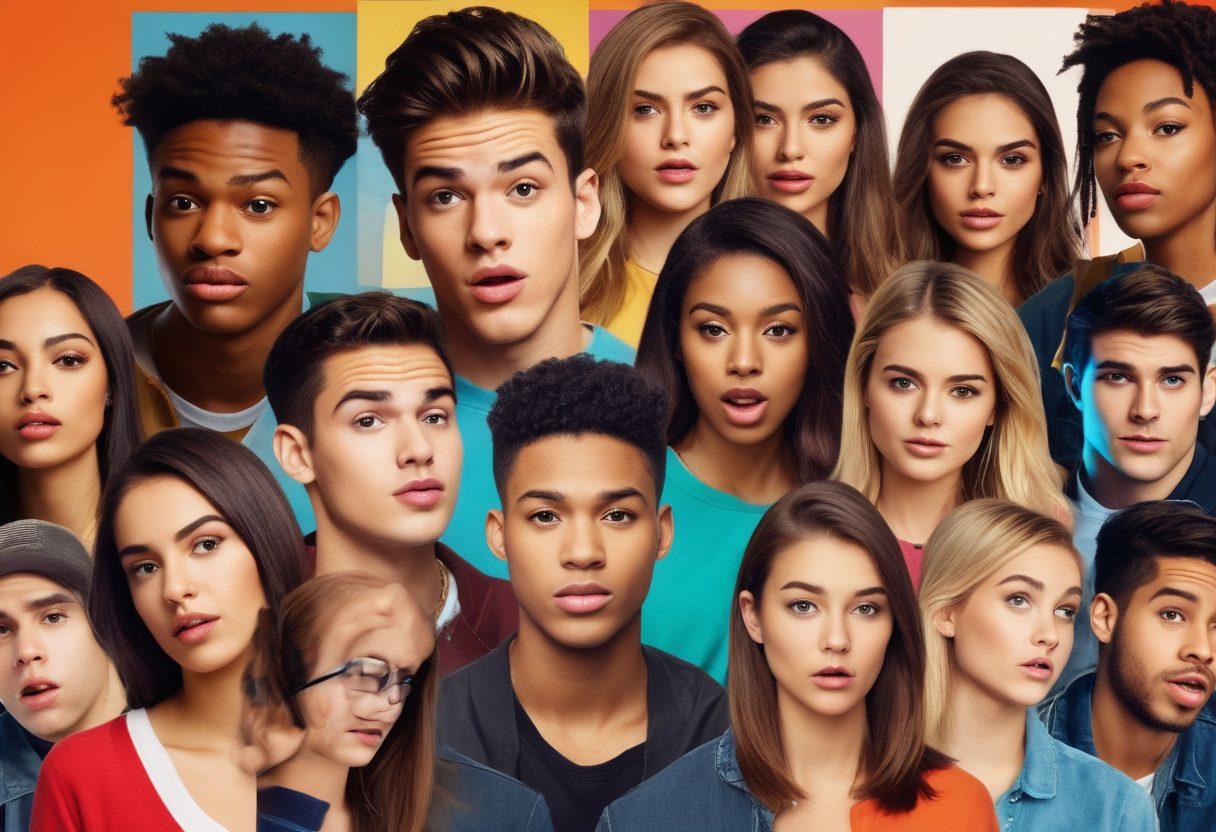
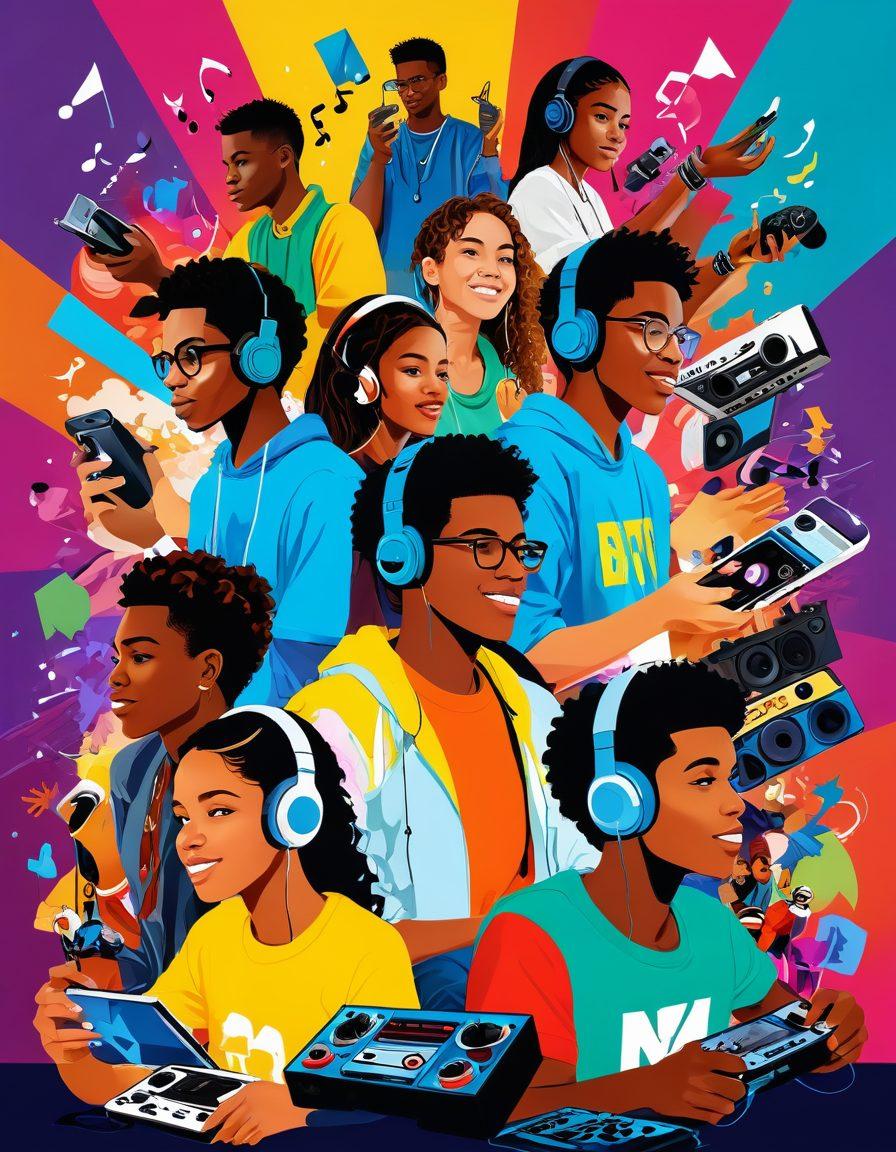
Unveiling the Truth: Exploring Reality Television Through the Lens of Youth Culture
Reality television has become a prevailing force in shaping youth identity in today’s society. With the immense popularity of various youth series and teenage shows, it’s intriguing to think about how these programs influence the lives of young viewers. Are they merely entertained, or are they picking up on practices, beliefs, and behaviors that will help mold their adolescent experiences? This captivating interplay between reality TV and youth culture beckons us to delve deeper, uncovering the real stories behind the screen and the impact these narratives hold for the next generation.
The rise of reality shows for youth has ushered in an era where the line between real-life experiences and scripted drama seems to be increasingly blurred. Just think about it: how often do we hear teenagers referencing their favorite teenage television characters as if they were friends? This connection speaks volumes about how youth programming reflects their lives and aspirations. 'We are living in a reality show,' says one youthful observer, encapsulating the sentiment that reality TV has seeped into the collective consciousness of teenage lifestyles. The question is, is this a healthy form of escapism or a potential danger zone where unrealistic expectations lurk?
Essentially, reality TV for youth serves as a mirror, reflecting both the glittering highlights and the challenging realities of teenage adventures. Shows that focus on real-life teenage experiences often celebrate coming of age stories that resonate with young audiences. However, they also present the complications and awkward moments that define the adolescent journey. Engaging with these narratives can support emotional development and self-discovery, as viewers see bits of themselves in the challenges and triumphs of the characters they admire. Isn't it fascinating how a single episode might help a teen process their own complicated feelings about friendship or first love?
Moreover, involving real-life situations in youth reality shows enhances relatability. For instance, many teenage documentaries touch on issues like mental health, peer pressure, and building relationships, sending a message that it's okay to struggle and seek support. Adolescents are experiencing a pivotal time in their lives, and witnessing these struggles in a format they prefer can sometimes provide the encouragement they need. 'We’re not alone,' a young viewer might feel, after watching a peer navigate similar teenage trials on their screens. This realization can be empowering and affirming.
Celebrating teenage talent through dedicated teen talent shows, alongside engaging teenage talk shows, adds to the growing selection of content catering specifically to youth. They're not merely passive viewers; they can be inspired, entertained, and educated all at once. Reality shows designed for young adult entertainment often feature relatable raw moments alongside the crafted chaos, providing the perfect blend to engage viewers while discussing themes that matter to them. It's this unique outlet that allows youth to refocus their passions, interests, and even challenges into a broader narrative about their own lives. Isn't that the ultimate power of storytelling? As we continue to explore the realm of reality TV through a youthful lens, let us ponder the real impact these series have on shaping the identity of a generation.
From Drama to Dreams: The Impact of Teenage Shows on Culture
As we flip through the channels, our eyes often land on the vivid, chaotic world of teenage television. With their glamorous escapades, dramatic confrontations, and often outrageous situations, these shows captivate audiences, reflecting the kaleidoscope of youth culture. But what is it about reality youth programming that draws so many viewers in? Are we simply looking for entertainment, or do these shows mirror our adolescent dreams, fears, and the tumultuous journey of coming-of-age? The impact of teenage shows on culture runs deep, and perhaps it is time to peel back the layers to understand their significance on a generation.
Teenage shows have become a cultural phenomenon, providing a unique blend of drama for teens and relatable real-life teenage stories. They pull back the curtain on the ups and downs of youth, and suddenly we find ourselves invested in the lives of these young characters. Shows like *The Real World* and *America's Next Top Model* might seem like mere entertainment, but they lay bare the intricate threads of identity, friendship, and aspiration that make up the fabric of teen lifestyle. These reality shows for youth act not only as mirrors but also as windows into the everyday adventures faced by adolescents. Real-life triumph or heartbreak experienced by characters strengthens our emotional connection to their stories.
Have you ever wondered why reality shows for youth are often accompanied by a whirlwind of drama? It's a phenomenon that speaks directly to the adolescent experience. Every episode is a masterclass in navigating friendships, rivalries, and self-discovery. It leads us to reflect: Are they merely reflecting reality, or are they shaping it? It's fascinating how such youth series provoke conversations in our social circles, from snack-filled viewing parties to heated debates about who deserves that coveted title of 'most popular.' The drama unfolds not just on-screen; it seeps into our real life, influencing our interactions and sometimes even our aspirations, bringing our collective adolescent experience to the forefront.
Reality television has a rich trove of lessons for today's youth. The teenage adventures showcased, whether they're heart-wrenching breakups or unforgettable milestones, celebrate the spectrum of adolescent entertainment. They are poignant reminders of the universal teenage experiences—highlighting that while our paths may differ, the essence of being a teenager is remarkably similar across cultures. Moreover, youth reality shows engage us in storytelling that often resonates deeply. Who could forget the empowerment stories from *The Voice* involving teenage talent shows that showcase participants bravely pursuing their dreams? These narratives illuminate the struggles, triumphs, and sheer determination of young adults aiming to leave their mark on the world.
In this ever-evolving landscape of youth culture, the call for more authentic teenage content grows louder. Viewers crave programming that not only entertains but also educates and inspires. Platforms are taking notice; conversely, there's a rising trend in teen documentaries that delve into real-life issues faced by adolescents. We begin to ponder: What comes next for teenage television? Will we see a shift towards more enlightening narratives, or will we remain locked in the cycle of extravagant drama? As these questions linger, one thing remains certain: teenage shows will continue to reflect the dreams, realities, and transformative journeys of youth, artfully intertwining drama, and education as they contribute to the rich tapestry of our current culture.
Reality Check: Navigating the Adolescent Landscape of Teen Entertainment
In the vivid tapestry of reality television, one thread stands out among the rest - the portrayal of youth culture. It's fascinating how reality shows for youth dissect the complex adolescent landscape of teenage entertainment. When we think about teenage television, what comes to mind? An endless stream of personalities, drama, laughter, and sometimes a raw glimpse into the real-life teenage stories that shape young lives. With shows that feel like digital diaries, we are left wondering: Is this a true reflection of our youth culture, or merely an exaggerated performance for likes and views?
Imagine a teenager flipping through channels, landing on a youth series that feels like a window into their world—the struggles, the accomplishments, and most importantly, the coming of age stories that resonate deeply. What’s striking is how these teenage shows often depict teenage experiences that are both relatable and entertaining. Whether it’s friendships that blossom and wither or the drama revolving around crushes and conflict resolution, these shows are not just about glitter and glam. They serve as a mirror reflecting adolescent realities back at the viewer. Are these realities fun, or are they a bit too dramatized for the sake of entertainment?
When we consider the impact of teen entertainment on young adults, it’s essential to recognize how reality TV influences their thinking, attitudes, and identities. Young adult entertainment has a unique role in shaping perceptions of youth lifestyle. Reality shows for youth often depict situations that are exaggerated, yet they somehow plant seeds of curiosity. We find ourselves asking: How much of this dramatized world translates to real-life teenage adventures? The lines between scripted reality and true experience can blur, leaving room for meaningful dialogues about expectations and reality.
Let’s not forget the role that teenage talent shows and teen talk shows play in this equation. They provide a platform for young voices, fostering a sense of community among teens who see others like themselves shining in the spotlight. However, it raises an important question: Do these platforms empower our youth or do they merely showcase the few at the expense of the many? This kind of programming can offer inspiration, yet there’s a thinner line to tread when it comes to self-image and social pressures. Are our teens found or lost in this swirling storm of reality television?
Ultimately, navigating the adolescent landscape of teen entertainment requires a reality check. It’s essential for parents, educators, and teenagers themselves to engage critically with what they consume. By exploring the themes presented in youth programming—from reality shows that entertain to documentaries that educate—we can cultivate an understanding of the youth culture surrounding us. Reality television may be a powerful outlet for teenagers but requires discernment to embrace the right lessons and reject harmful stereotypes. Are we as a society ready to embrace the real-life facets of these shows, or will we continue to glamorize only the most outrageous aspects of teenage experiences?